
Hard water can be frustrating, especially when you keep finding white spots on your faucets or wondering why your shower pressure is dropping. The problem is more than a cleaning nuisance because minerals can build up inside pipes, fixtures, and water heaters over time. If you need reliable plumbing in Hampton, we can help you identify hard water problems and find practical ways to protect your home.
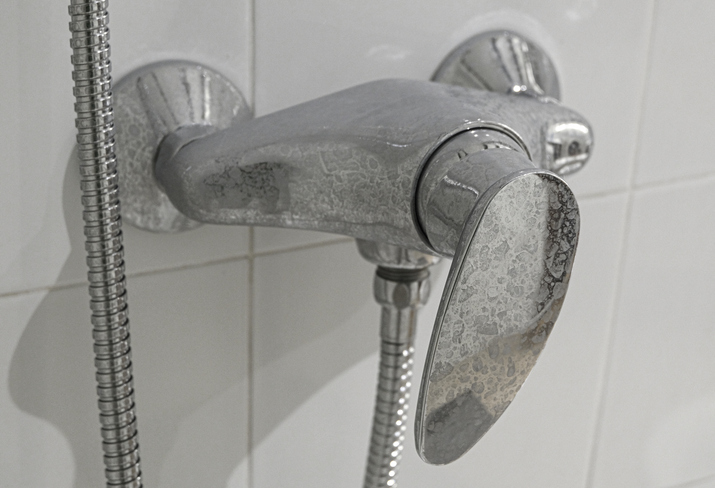
What Is Hard Water?
Hard water contains elevated levels of naturally occurring minerals, primarily calcium and magnesium. As water flows through your plumbing, those minerals can settle onto surfaces and create scale. Heating the water can speed up buildup inside water heaters. Over time, scale can restrict water flow and reduce efficiency.
Signs of Hard Water
Not sure whether hard water is affecting your home? Watch for these common warning signs:
- White, chalky buildup: Mineral deposits often appear around faucets, showerheads, drains, and fixtures.
- Reduced water pressure: Scale can narrow passages inside pipes, aerators, valves, and showerheads, reducing flow.
- Cloudy dishes and glassware: Persistent white spots or a hazy film after washing can indicate mineral-rich water.
- Soap scum: Hard water can make soaps and detergents less effective, leaving more residue behind.
- Water heater problems: Popping or rumbling noises, inconsistent hot water, and longer heating times may indicate sediment and mineral buildup.
- Frequent clogs: Mineral deposits can accumulate in small openings and contribute to restricted flow.
How Hard Water Damages Your Plumbing
The biggest concern is the gradual buildup you cannot see. Scale can accumulate inside supply lines and fittings, reducing the space available for water to flow.
Your water heater may take an especially hard hit. Mineral sediment can collect inside the tank and create a barrier between the heating element or burner and the water. That forces the system to work harder and can contribute to premature wear. Tankless water heaters can also experience scale buildup on their heat exchangers, reducing performance.
Tips to Mitigate Hard Water Damage
The good news is that you do not have to live with hard water. Start by having your water hardness tested so you know what you are dealing with.
For minor fixture buildup, clean aerators and showerheads regularly, following the manufacturer’s instructions. A whole-home water softener may be a good long-term solution when mineral levels are high because it treats water before it enters your plumbing system. Regular plumbing maintenance can help catch mineral buildup before it causes restricted water flow, damaged fixtures, or expensive repairs.
An inspection can also reveal whether mineral buildup is affecting older pipes, connections, or appliances. Addressing those issues early may help maintain water flow and extend the useful life of your home’s plumbing system.
Catching hard water problems early can help protect your pipes, fixtures, appliances, and water heater while reducing the likelihood of costly repairs. If you notice persistent scale, low water pressure, or water heater performance issues, let us take a closer look and recommend the right solution.