
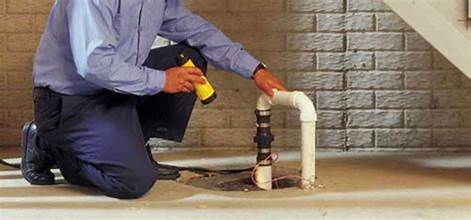
At Schaible’s Plumbing & Heating Inc., we know your home is your sanctuary, and protecting it from water damage starts with the right sump pump. Whether you’re dealing with a damp basement or just want peace of mind during heavy rain, choosing the right sump pump can save you thousands in future repairs. It’s not just about picking a pump—it’s about choosing a system that fits your home, your needs, and your local conditions. Let’s walk you through exactly what you need to know before you buy.
How much does sump pump installation cost?
Sump pump installation typically costs $800 to $2,500, depending on the pump type and whether a new pit and drainage system are required. Replacing an existing sump pump is usually less expensive than a first-time installation that involves excavation and electrical work.
Understand the Two Main Types of Sump Pumps for Your Home
There are two primary types of sump pumps: pedestal and submersible. A pedestal sump pump has a motor mounted above the sump pit, making it easier to maintain but a bit louder. A submersible sump pump sits inside the pit and is designed to be underwater, quieter, and better suited for handling larger volumes of water. If your basement floods often or you need a more powerful solution, the submersible pump is typically the better choice.
How to Choose the Right Sump Pump Size and Power
Sump pumps are not one-size-fits-all. To find the right fit, you’ll need to consider how much water you expect to handle and the size of your sump pit. Most residential homes do well with a 1/3 or 1/2 horsepower pump, but if you have frequent water issues or a larger basement, you might need something stronger. Not sure what size is best? That’s where our expertise comes in—we’ll help you choose the perfect model for your home.
Why a Battery Backup Sump Pump Is Essential
Even the best sump pump won’t do you any good if the power goes out during a storm. That’s why we always recommend installing a battery backup system. It ensures your sump pump keeps running when you need it most. Some systems even include smart monitoring that alerts you via your phone if there’s a problem.
Why the Check Valve Is Critical for Sump Pump Performance
A simple but essential part of your sump pump system is the check valve. This prevents water from flowing back into the pit after the pump turns off. It’s a small addition that makes a big difference in keeping your basement dry.
Why Professional Sump Pump Installation Matters
A professional installation ensures the system is set up correctly and runs efficiently. If it’s not installed properly, you could end up with clogs, short cycling, or even motor failure.
That’s why we offer expert sump pump installation in Hillsborough Township, NJ, tailored to your home’s specific needs. Our team brings decades of experience and treats your home with the care and attention it deserves.
How to Protect Your Home with the Right Sump Pump System
A reliable sump pump can mean the difference between a dry basement and a costly flood cleanup. Let us help you make the right choice with expert guidance, top-quality equipment, and friendly service every step of the way. We’re here to make the process simple, stress-free, and tailored to your home.
Frequently Asked Questions
Question: How do I choose the right sump pump for my home?
Answer: Choosing the right sump pump depends on your basement size, groundwater levels, and how often flooding occurs. You will need to decide between submersible and pedestal models, consider the pump’s horsepower, and ensure it can handle your home’s drainage demands effectively.
Question: What is the difference between a submersible and a pedestal sump pump?
Answer: A submersible sump pump sits inside the sump pit and operates underwater, making it quieter and less visible. A pedestal pump has a motor mounted above the pit, which makes it easier to service and often more affordable. The right choice depends on your budget, space, and performance needs.
Question: What size sump pump do I need for my basement?
Answer: The size of the sump pump is typically based on horsepower and the amount of water your home needs to move. Most homes use a one third or one half horsepower pump. Homes with frequent or heavy water intrusion may require a more powerful system.
Question: Do I need a backup sump pump system?
Answer: A backup sump pump provides protection if the primary pump fails or if there is a power outage during a storm. Battery powered or water powered backup systems help prevent basement flooding when you need protection the most, offering added peace of mind.
Question: How long does a sump pump typically last?
Answer: A sump pump generally lasts around seven to ten years, depending on usage and maintenance. Regular inspections and testing help ensure it operates properly and extends its lifespan. Replacing an aging unit before it fails can help prevent unexpected water damage.